History of Paper Money?
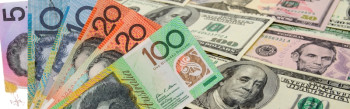
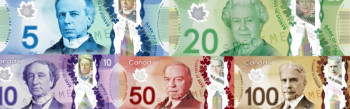
Paper money is an everyday part of our lives, but it has a long and interesting history stretching across centuries and continents. It began in ancient China and has since evolved to play a key role in today’s global economies. Along the way, it has left behind fascinating stories and facts. Let’s examine the history of paper money, its origins, and some rare and collectible highlights that make it such an interesting topic. The story of paper money begins in China during the Tang Dynasty (A.D. 618-907). Chinese merchants and financiers, facing the inconvenience of transporting heavy metal coins, pioneered the use of paper bills as a lightweight, practical alternative. These early forms of paper currency were primarily privately issued bills of credit or exchange notes, used to facilitate trade and streamline transactions. Over time, the Chinese government began to recognize the benefits of this system. By the Song Dynasty (A.D. 960-1279), the concept of government-backed paper money emerged, further strengthening its use. For over 500 years, the Chinese refined and expanded this revolutionary monetary system, developing printing techniques and security measures to prevent counterfeiting. Eventually, this groundbreaking invention caught the attention of European traders and explorers, who marvelled at its efficiency and practicality. This invention laid the foundation for the future global use of paper money. Paper money as we know it today took centuries to become a trusted medium of exchange. While the concept originated in China, it wasn’t until the 17th century that it began gaining traction in Europe. Travellers like Marco Polo introduced the idea after witnessing its use in Asia. At first, Europeans were skeptical—how could paper possibly hold the same value as gold or silver? However, the practicality of paper money, especially for large transactions and reducing the need to carry heavy coins, eventually won over the doubters. Slowly but surely, paper currency spread across Europe and then to the rest of the world. Sweden takes the credit for issuing Europe’s first paper money. In 1661, Johan Palmstruch, the head of the Bank of Stockholm, introduced paper certificates known as “Daler.” These early banknotes set the stage for modern currency with key features like: The introduction of paper money in Europe marked a turning point in global commerce, paving the way for the sophisticated financial systems we rely on today. It was a bold step into a new era—one that changed how we think about value and exchange forever. Think paper money is just, well, paper? Think again! From ancient origins in China to high-tech security features on modern bills, the world of currency holds unmatched intrigue. These 10 fascinating facts will take you through centuries of history, mind-boggling designs, and even the quirks of hyperinflation. Get ready to explore the tales and surprises hidden in your wallet! Banknotes don’t just safeguard value—they tell stories. Beyond their function, paper money often doubles as miniature art galleries full of history and culture. What’s fascinating is how these designs not only strengthen a nation’s identity but also earn admiration worldwide. Some notes have even become collector’s items, coveted for their beauty and the stories they represent. From guarding against fraud to celebrating culture, the evolution of paper money design reflects both the complexities of modern finance and the artistry of human creativity. Each bill, after all, is more than a piece of paper—it’s a masterpiece in the palm of your hand.A Fascinating Journey Through Time
The History of Paper Money Origins
Ancient Beginnings in China
The Spread of Paper Money to Europe and Beyond
The First European Banknotes
Why Paper Money Became Popular
10 : Fascinating Facts About
Paper Money From Around the World
The Art Behind the Currency